
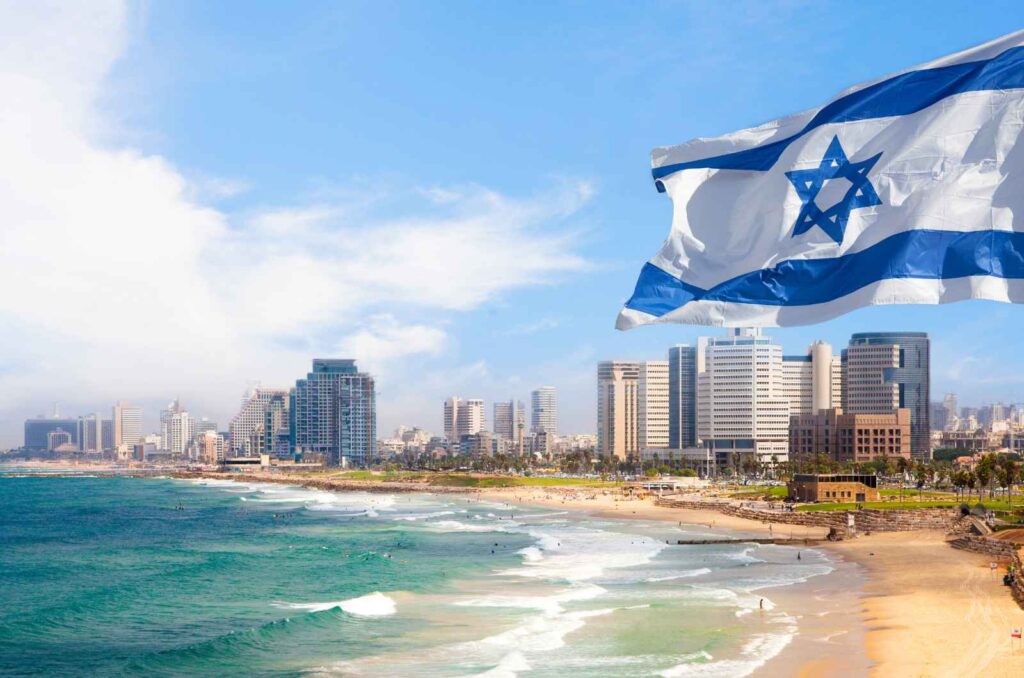
The aliyah process with belong concierge service, unfolds through distinct phases beginning with initial document preparation and culminating in complete integration into Israeli society several years after arrival. Understanding this progression helps prospective immigrants set realistic timelines, prepare adequately for each stage, and recognize normal milestones distinguishing successful absorption from concerning stagnation. This comprehensive guide walks through every step from initial inquiry through long-term settlement.
Phase One: Document Preparation and Application Submission
The foundation of successful aliyah lies in thorough document gathering beginning six to twelve months before intended immigration dates. Applicants must obtain original long-form birth certificates listing both parents' names from issuing jurisdictions, as hospital certificates prove insufficient for eligibility verification. Valid passports require at least six months remaining validity beyond planned aliyah dates, necessitating renewals for those with approaching expiration. Proof of Jewish heritage typically comes through congregational rabbi letters on official synagogue letterhead, conversion certificates from recognized authorities, or historical family documents including ketubot and cemetery records. Police background checks from all countries of residence during the preceding seven years require apostille authentication according to Hague Convention standards. Marriage certificates, divorce decrees, or death certificates of previous spouses must accompany applications establishing current marital status. Documents in languages other than Hebrew or English need certified translations by authorized translators before submission.
How Do You Submit Your Application?
The Jewish Agency for Israel processes applications from prospective immigrants residing outside Israel, while those already in the country can apply directly through the Ministry of Interior. Online application portals accept scanned copies of all required documents along with detailed questionnaires covering personal information, family composition, employment history, and post-aliyah plans. Many applicants work with immigration organizations specializing in aliyah assistance who provide guidance through application requirements and submission procedures. Application fees vary by country and processing office, ranging from minimal charges to several hundred dollars depending on family size. Processing times stretch from several weeks to six months based on document verification complexity, background check completion, and case workload. Applicants receive confirmation emails acknowledging receipt followed by assignment of case numbers allowing status tracking through online portals.
Phase Two: Eligibility Interview and Approval
Following document review, applicants schedule interviews with Jewish Agency representatives or Israeli consular officials designated to evaluate aliyah eligibility. Interviews typically last thirty minutes to two hours depending on case complexity, with representatives verifying document authenticity, assessing Jewish heritage claims, and discussing specific integration plans. Applicants must bring original documents for comparison against submitted copies, as photocopied materials alone prove insufficient for final approval. Representatives evaluate genuine intent to settle permanently in Israel rather than seeking citizenship for convenience, asking detailed questions about housing plans, employment prospects, and long-term commitment. Family interviews include all members over age thirteen, ensuring everyone understands the decision and supports the immigration plan. Some cases require additional documentation or clarification delaying approval until outstanding items are resolved satisfactorily.
What Happens After Interview Approval?
Successful applicants receive formal approval letters called "Mazal Tov" emails from the Jewish Agency confirming eligibility for aliyah and outlining next steps. Aliyah visas must be obtained from Israeli consulates requiring additional paperwork including health declarations, entry-exit history forms, and passport photographs. Visa processing takes two to three weeks depending on location and season, with visas valid for six months from issuance allowing flexible travel planning. Flight arrangements can proceed through Jewish Agency coordination, immigration organization charter flights, or independent bookings depending on eligibility and preference. Pre-arrival preparation intensifies including shipping household goods, canceling services in origin countries, and finalizing temporary housing arrangements in Israel. Many immigrants participate in pre-aliyah orientation programs covering practical information about Israeli systems, cultural expectations, and integration resources.
Phase Three: Arrival and Initial Bureaucracy
Landing at Ben Gurion Airport marks the official beginning of immigrant status and triggers eligibility for government benefits. New immigrants proceed through dedicated processing channels where officials issue Teudat Oleh certificates confirming immigration status and temporary identification cards serving until permanent documents arrive. The Sal Klita absorption basket initial payment occurs at the airport, providing immediate cash for transportation and initial expenses. Immigration organization representatives often meet charter flights, assisting with transportation to temporary housing and addressing immediate concerns. The first week priorities include opening bank accounts necessary for receiving subsequent Sal Klita payments and other government benefits through direct deposit. Registration with one of four national health maintenance organizations called Kupat Holim establishes healthcare coverage beginning from registration dates. Scheduling appointments with local Ministry of Aliyah and Integration offices connects immigrants with absorption counselors who guide benefit applications and integration resources.
What Documents Must You Obtain Immediately?
Permanent biometric identity cards called Teudat Zehut represent the most essential document for functioning in Israeli society, required for banking, employment, healthcare, and virtually all official transactions. Applications occur through Ministry of Interior offices requiring original birth certificates, marriage certificates, and temporary identification issued at the airport. Processing takes several weeks with temporary cards issued immediately allowing essential activities pending permanent card arrival. National Insurance Institute registration called Bituach Leumi establishes eligibility for child allowances, unemployment insurance, and eventual pension contributions. Driver's license conversion requires visits to licensing offices with origin country licenses, passport photographs, and vision tests potentially followed by driving examinations. Opening cellular phone accounts, establishing internet service, and contracting utilities require Israeli identification and often bank account information.
Phase Four: First Three Months – Establishing Routines
The initial quarter after arrival focuses on establishing basic routines enabling daily life functioning and beginning long-term integration processes. Hebrew language courses called ulpan begin as soon as space becomes available, typically within several weeks to three months after arrival depending on municipal capacity. Housing transitions from temporary accommodations to permanent rentals or home purchases require extensive neighborhood research, apartment viewings, and lease negotiations. Employment searches intensify with resume preparation, networking activities, and interviews consuming significant time and emotional energy. Children enroll in schools with municipal education departments, requiring registration paperwork, grade placement evaluations, and initial parent-teacher meetings. Banking relationships expand beyond basic accounts to include credit cards, checks, and potentially mortgage consultations for home buyers. Social connections develop through ulpan classmates, workplace colleagues, children's school communities, and immigrant networking events.
How Do You Navigate Hebrew Language Learning?
Government-funded ulpan programs provide up to eighteen months of free Hebrew instruction through intensive courses meeting five days weekly for five hours daily. Ulpan attendance directly affects continued benefit eligibility including extended Sal Klita payments and rental assistance, making regular participation financially advantageous beyond language acquisition benefits. Evening and part-time ulpan options accommodate working immigrants unable to attend daytime programs, though total instruction hours may decrease. Private tutoring supplements government courses for those seeking accelerated progress or specialized vocabulary for professional fields. Language exchange partnerships pairing immigrants with native Hebrew speakers provide conversational practice in informal settings. Online resources including mobile applications, podcast subscriptions, and video courses enable supplementary study fitting around other commitments. Most immigrants achieve functional conversational Hebrew within twelve to eighteen months while professional fluency requires twenty-four to thirty-six months of consistent study and immersion.
Phase Five: Months 4-12 – Professional and Social Integration
The middle phase of the first year emphasizes professional re-establishment and deepening social connections beyond surface acquaintance. Credential recognition processes for licensed professionals including doctors, engineers, and lawyers advance through examination preparation and supplementary coursework. Employment stabilizes with immigrants either securing positions in appropriate fields or accepting transitional work while continuing longer-term job searches. Professional networking intensifies through industry associations, LinkedIn activity, and informational interviews expanding contact bases. Hebrew proficiency improves enabling fuller workplace participation and reduced reliance on English-speaking colleagues for daily communication. Social circles expand beyond fellow immigrants to include native Israelis through workplace relationships, neighborhood connections, and shared interest groups. Housing situations stabilize with families settled into appropriate neighborhoods and understanding local community dynamics. Financial situations improve as employment income supplements or replaces government absorption benefits approaching conclusion.
What Integration Milestones Indicate Progress?
Successful first-year integration manifests through several observable markers distinguishing healthy adaptation from concerning struggle. Conversational Hebrew fluency sufficient for grocery shopping, medical appointments, and casual social interactions demonstrates language acquisition progress. Stable employment appropriate to professional qualifications and experience indicates successful labor market integration. Genuine friendships extending beyond immigration-related contexts show social integration advancing beyond initial immigrant networks. Independent navigation of Israeli bureaucracy including renewing documents, resolving utility issues, and accessing services without assistance reflects growing competence. Positive sentiment about aliyah decision despite inevitable challenges suggests emotional adaptation proceeding appropriately. Children's successful school integration measured by friendship development, Hebrew fluency, and academic progress indicates family system adaptation.
Phase Six: Years 2-3 – Deepening Integration
The second and third years mark transition from newcomer status toward established resident identity embedded in Israeli society. Hebrew fluency advances to professional levels enabling full workplace participation, complex negotiations, and nuanced social interactions. Career advancement through promotions, position changes, or entrepreneurial ventures demonstrates professional establishment beyond initial survival mode. Social networks deepen with close friendships providing mutual support, shared celebrations, and genuine intimacy. Cultural fluency develops enabling navigation of unwritten social rules, understanding humor and references, and participating naturally in Israeli discourse. Housing situations evolve with renters potentially purchasing homes and families adjusting living arrangements to accommodate changing needs. Tax benefits for new immigrants continue providing financial advantages while income levels stabilize at sustainable levels supporting desired lifestyles.
How Do You Maintain Integration Momentum?
Continued integration during years two and three requires intentional effort preventing stagnation in established routines. Expanding social circles beyond comfortable immigrant enclaves challenges comfort zones while deepening Israeli cultural understanding. Professional development through courses, certifications, or advanced degrees demonstrates commitment to long-term career building. Community involvement through volunteering, organizational membership, or local activism embeds immigrants in civic life. Hebrew study continuation beyond basic ulpan requirements advances fluency toward native-level competence. Exploring different regions, trying new experiences, and embracing Israeli culture rather than recreating origin country lifestyles accelerates genuine integration. Processing immigration losses including missing family, familiar foods, and cultural touchstones while celebrating gains creates emotional space for authentic adaptation.
Phase Seven: Long-Term Integration and Belonging
Successful long-term integration measured in years rather than months transforms immigrants from outsiders into contributing members of Israeli society. Native-level Hebrew fluency enables full cultural and professional participation without language barriers limiting opportunities. Professional achievement reaching pre-immigration levels or surpassing them validates career decisions and provides financial stability. Deep social connections including close Israeli friendships demonstrate genuine social integration beyond immigrant bubble living. Cultural comfort feeling at home in Israeli society, understanding social dynamics, and participating naturally in community life indicates successful adaptation. Children's complete integration speaking Hebrew as primary language, identifying as Israeli, and thriving academically and socially marks generational transition. Sense of belonging feeling Israel is home rather than temporary residence represents ultimate integration milestone often occurring five to ten years post-aliyah.
Your Integration Journey
The aliyah process extends far beyond document submission and visa approval, unfolding through distinct phases over several years. Initial preparation requires six to twelve months gathering documents and submitting applications. Interview approval and visa processing add two to six months before actual immigration. The first three months focus on urgent priorities including banking, healthcare, housing, and Hebrew study. Months four through twelve emphasize employment establishment and social network development. Years two and three deepen professional and social integration while Hebrew fluency advances. Long-term integration measured in years five through ten marks genuine belonging transcending immigrant status. Success requires persistence through inevitable challenges, realistic expectations about timeline duration, and commitment to the extended process. Understanding this progression helps immigrants recognize normal adaptation patterns, identify when additional support proves necessary, and celebrate appropriate milestones marking steady progress toward feeling genuinely at home in Israel.